· 3 min read
5 Ways Digital Printing Reduces Waste in Packaging
Discover how digital printing technology minimizes material waste, energy consumption, and environmental impact—driving smarter, greener packaging production.
In a world that’s rapidly moving toward sustainable manufacturing, digital printing has emerged as a game-changer for the packaging industry.
Unlike traditional offset or flexo printing, which requires plates, setup runs, and excess materials, digital printing enables precision, flexibility, and eco-efficiency — reducing waste at every stage.
At Alfa Digital Packaging, we’ve embraced digital technology not just for quality and customization, but because it’s a smarter, greener way to produce.
1. Print What You Need — No Overruns
Traditional print methods often force brands to commit to large minimum order quantities to stay cost-effective, leading to excess stock and waste.
With digital printing, you can produce packaging in any quantity — even a single piece — without compromising quality.
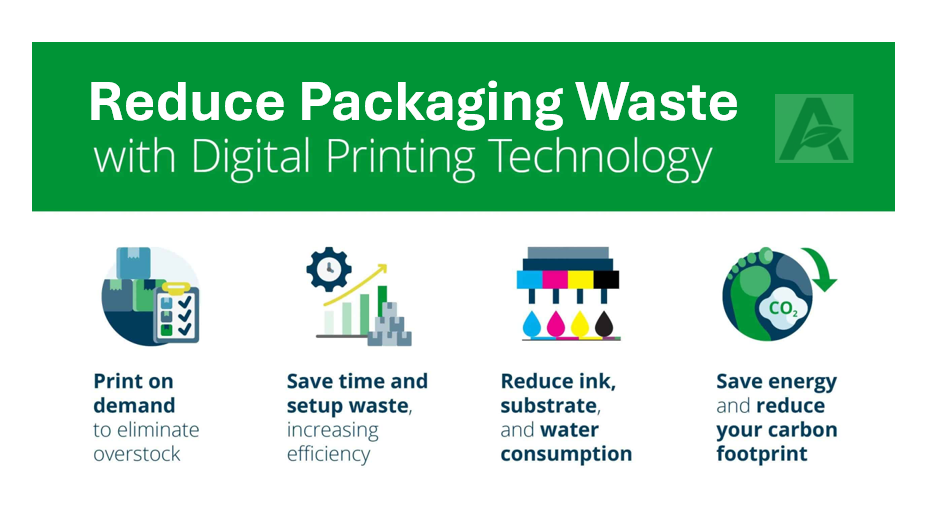
This on-demand printing model prevents overproduction and helps brands stay agile, reducing both material waste and storage costs.
2. No Plates, No Setup Waste
Every traditional print job requires physical plates, chemicals, and setup sheets to calibrate color and registration — which all end up as waste.
Digital printing eliminates the need for plates entirely, meaning no setup waste, no solvent cleaning, and no harmful residues.
The result: a cleaner production process that saves time, resources, and energy.
3. Precise Color Management Reduces Material Rejection
Thanks to automated color calibration and digital proofing, digital printing ensures near-perfect accuracy from the first print.
This minimizes the risk of misprints and rejected batches — a major source of waste in traditional printing.
At Alfa Digital Packaging, our LED UV digital presses ensure consistent color output, even across multiple runs, while consuming less power and producing minimal heat.
4. Smarter Use of Ink and Substrates
Digital presses use water-based and eco-friendly inks that are applied precisely where needed — no excess coverage or ink wastage.
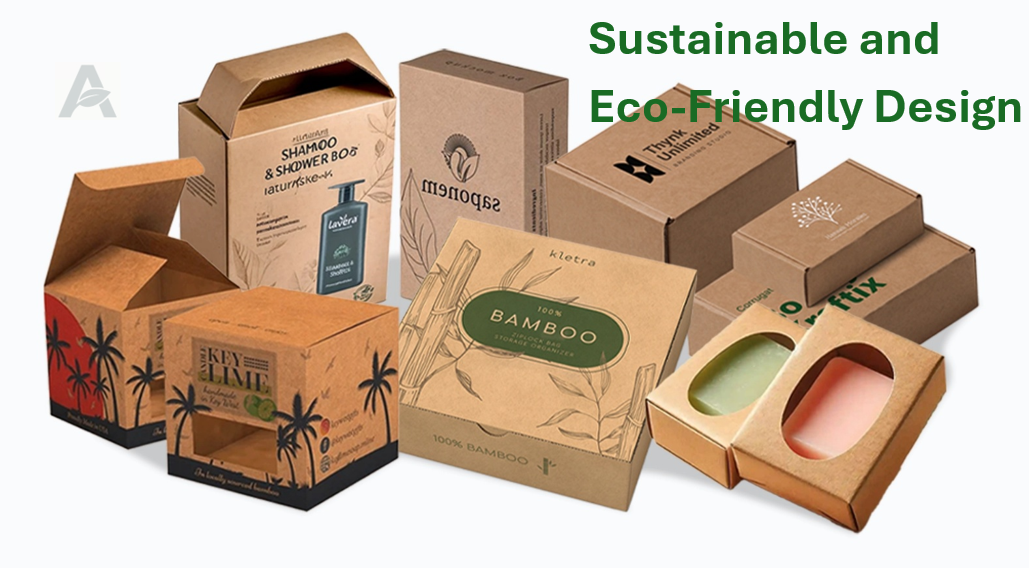
They also adapt seamlessly to a variety of recycled and certified board materials, ensuring compatibility with sustainable substrates.
By optimizing ink usage and enabling print-on-demand, we significantly reduce both material consumption and environmental footprint.
5. Enables Sustainable Customization and Short Runs
Short-run and personalized packaging are in high demand — especially among emerging brands and limited-edition products.
Digital printing makes customization eco-efficient, as every design variation can be printed directly from a digital file — no retooling or additional setup.
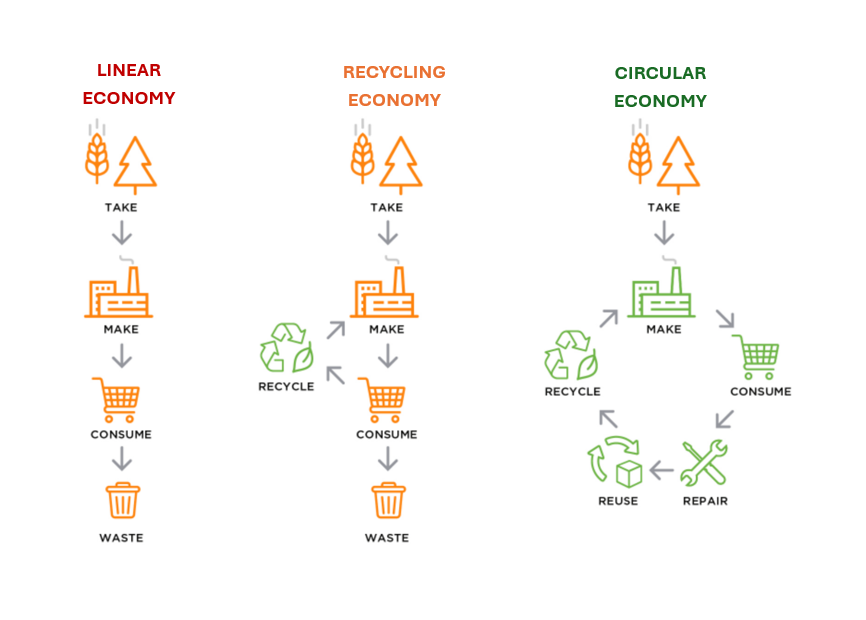
This flexibility reduces leftover stock, avoids obsolescence, and supports circular economy principles by encouraging production that matches actual demand.
Beyond Printing — Building a Smarter Future
For Alfa Digital Packaging, digital printing isn’t just a technology; it’s a philosophy.
By combining innovation with responsibility, we help brands achieve creative freedom while respecting the planet’s resources.
Through our Alfa Green Pledge and 7R Commitment, we continuously innovate toward zero-waste printing — redefining packaging as both sustainable and smart.
♻️ Key Takeaway
Digital printing proves that sustainability doesn’t mean compromise — it means innovation, efficiency, and precision.
The less we waste, the more we gain — for business, for customers, and for the environment.
Ready to make your packaging greener with digital printing? Let’s create smarter solutions together.